Choose the moment
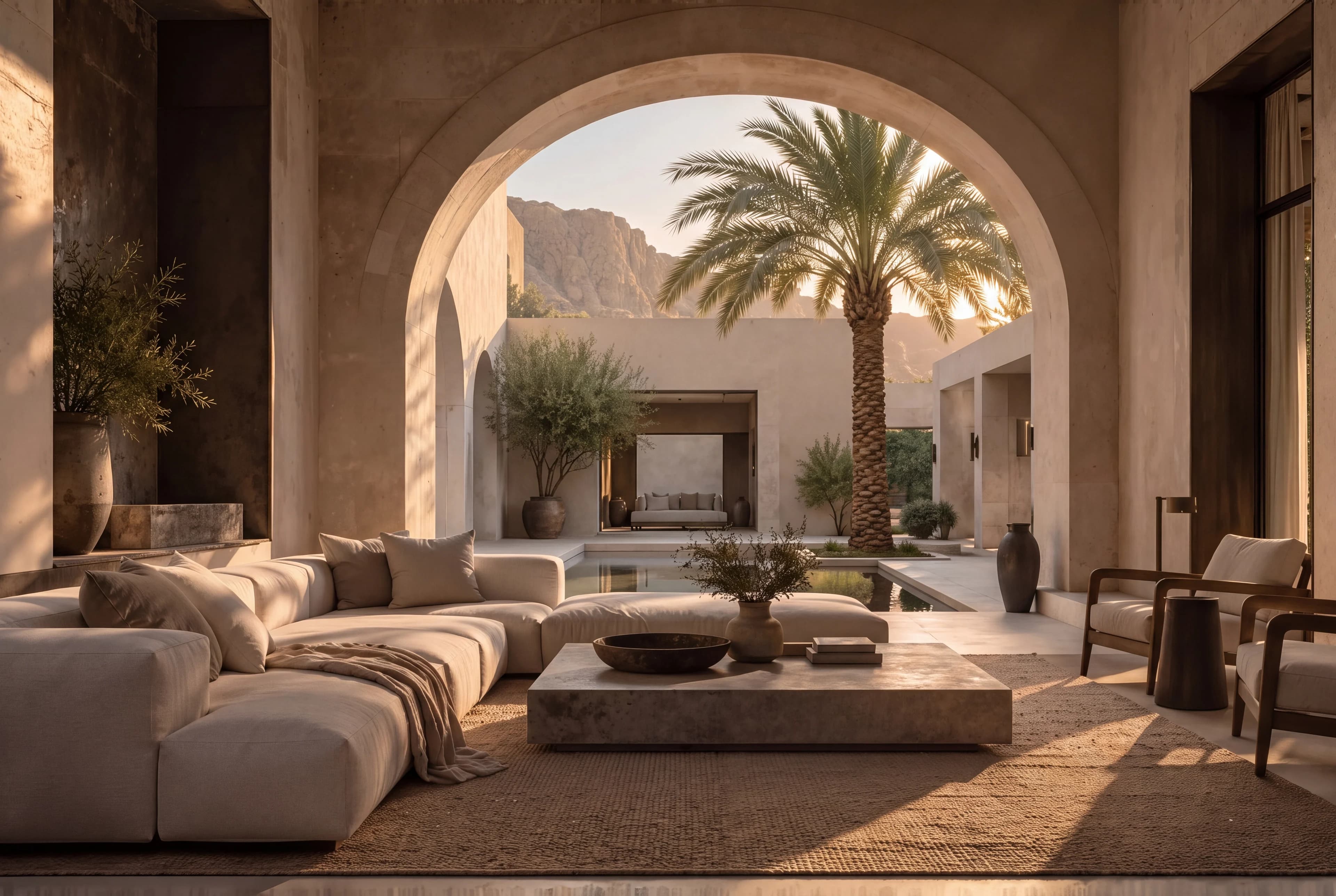
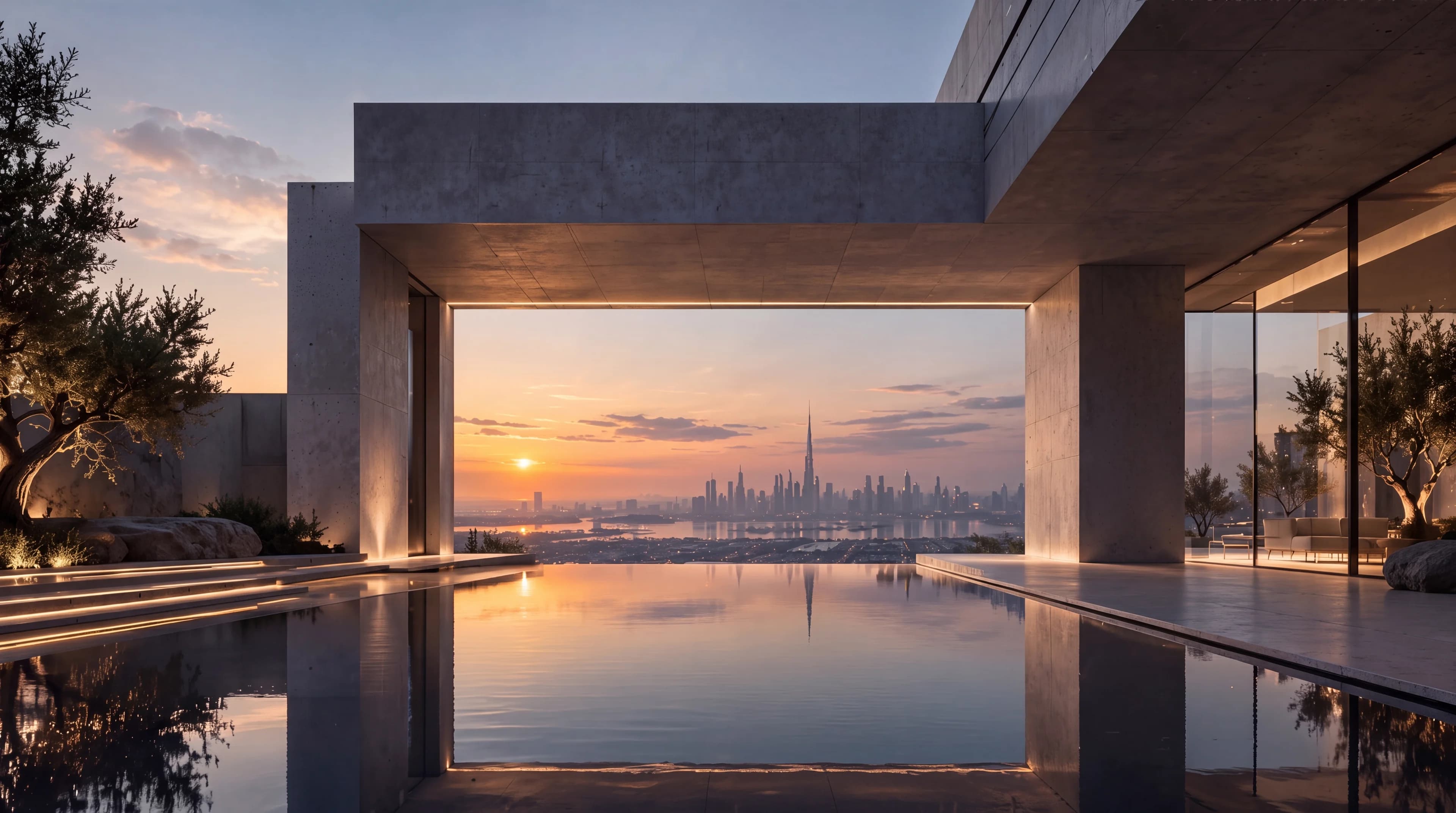
We like to begin an architectural sequence with one question: what should the viewer understand by the end? It might be the transition from a sheltered interior to an open courtyard, or the way a room holds the last daylight. That answer gives the sequence a reason to exist.
A slow movement can feel deliberate when it reveals something. Without that purpose, it can become a moving version of a still image with more demands on the viewer’s time.
Build a sequence, not a collection
We think about an establishing view, a closer encounter and a moment of rest. These are editorial roles rather than a fixed shot list. A small space may need fewer shots; a more complex journey may need an orientation view before any detail.
The cuts should preserve a believable relationship between spaces. A beautiful shot that confuses the route through a building can weaken the whole sequence.
Keep a useful still experience
Motion should not be the only way to understand a project. We pair it with a considered poster and supporting stills, and respect reduced-motion preferences.
Our approved Zen motion sits within an independent concept study. Its role is to communicate atmosphere and pacing, without suggesting that a navigable application or commissioned project exists.
Studio perspective. Portfolio imagery illustrates independent concept work.
More studio perspectives →